
Common Causing Factors of Oily Scalp Hair Loss
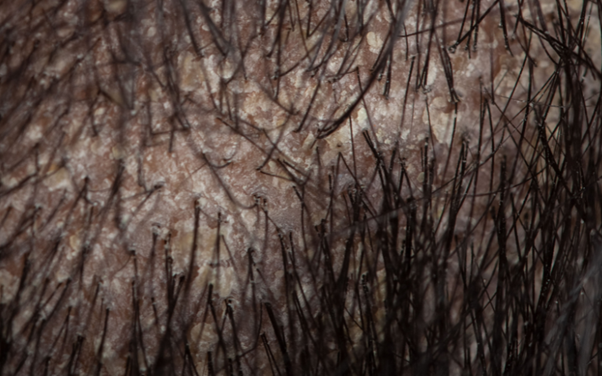
An oily scalp is a common problem that can lead to hair loss. Understanding the factors that contribute to an oily scalp and subsequent hair loss is crucial for effective treatment. This article will delve into the common causes of oily scalp hair loss and provide insights on how to manage and treat this condition, with a focus on hair regrowth in Singapore.
Hormonal Imbalances
Hormones play a significant role in the production of sebum, the natural oil produced by the sebaceous glands. Androgens, a group of hormones, can cause these glands to produce more oil than necessary. This excessive oil can clog hair follicles, leading to hair loss. Hormonal imbalances are particularly common during puberty, pregnancy, and menopause.
In Singapore, hormonal treatments are available to help balance these fluctuations and reduce oil production. However, it is essential to consult with a healthcare professional before starting any hormonal therapy.
Diet and Lifestyle
Your diet and lifestyle choices can have a substantial impact on your scalp health. A diet high in unhealthy fats and sugars can increase sebum production, leading to an oily scalp. Additionally, high-stress levels can trigger the release of hormones that exacerbate oil production.
Adopting a balanced diet rich in fruits, vegetables, and lean proteins can help manage oil production. Regular exercise and stress management techniques, such as meditation and yoga, can also contribute to a healthier scalp.
Improper Hair Care
Using the wrong hair care products or washing your hair too frequently can strip the scalp of its natural oils. This can cause the sebaceous glands to overcompensate, producing even more oil. On the other hand, not washing your hair enough can lead to a buildup of oil and dirt, clogging hair follicles and causing hair loss.
Finding the right balance is key. Opt for hair care products designed for oily scalps and avoid heavy, oil-based products. Regular but not excessive washing can help maintain a healthy balance of oils on your scalp.
Environmental Factors
Environmental factors such as humidity and pollution can contribute to an oily scalp. High humidity levels can increase sweat and oil production, while pollution can lead to a buildup of dirt and oil on the scalp. Both of these factors can clog hair follicles and result in hair loss.
Living in Singapore, where humidity and pollution levels can be high, it is crucial to take extra care of your scalp. Regular cleansing and using products designed to combat environmental damage can help keep your scalp healthy.
Genetics
Genetics can significantly influence the likelihood of developing an oily scalp and experiencing hair loss. If your parents or grandparents had issues with an oily scalp, you might be predisposed to the same condition. Genetic factors can affect the size and activity of sebaceous glands, leading to increased oil production.
While you cannot change your genetics, understanding your predisposition can help you take proactive steps in managing your scalp’s oil production. Seeking oily scalp treatment in Singapore can provide targeted solutions based on your genetic makeup.
Medical Conditions
Certain medical conditions, such as seborrheic dermatitis and psoriasis, can cause an oily scalp and hair loss. These conditions often require medical treatment and a tailored approach to manage symptoms effectively.
Consulting with a dermatologist in Singapore can provide you with a proper diagnosis and treatment plan. Early intervention can help manage these conditions and reduce their impact on your scalp health.
Oily Scalp Treatment in Singapore
Singapore offers a range of treatments specifically designed for oily scalp and hair loss. These treatments can help manage oil production, unclog hair follicles, and promote hair regrowth. Options include medicated shampoos, topical treatments, and professional scalp treatments.
Seeking professional advice and treatment in Singapore can provide you with personalised solutions tailored to your specific needs. Whether through natural products or clinical treatments, addressing the root cause of your oily scalp can help promote healthier hair growth.
Conclusion
Managing an oily scalp is essential for preventing hair loss and promoting hair regrowth. Understanding the common causes, such as hormonal imbalances, genetics, diet, lifestyle, improper hair care, environmental factors, and medical conditions, can help you take proactive steps towards a healthier scalp.
If you’re struggling with oily scalp hair loss, contact Bee Choo in Singapore for natural oily scalp treatment products and professional advice tailored to your needs. Take the first step towards a healthier scalp and hair regrowth today.