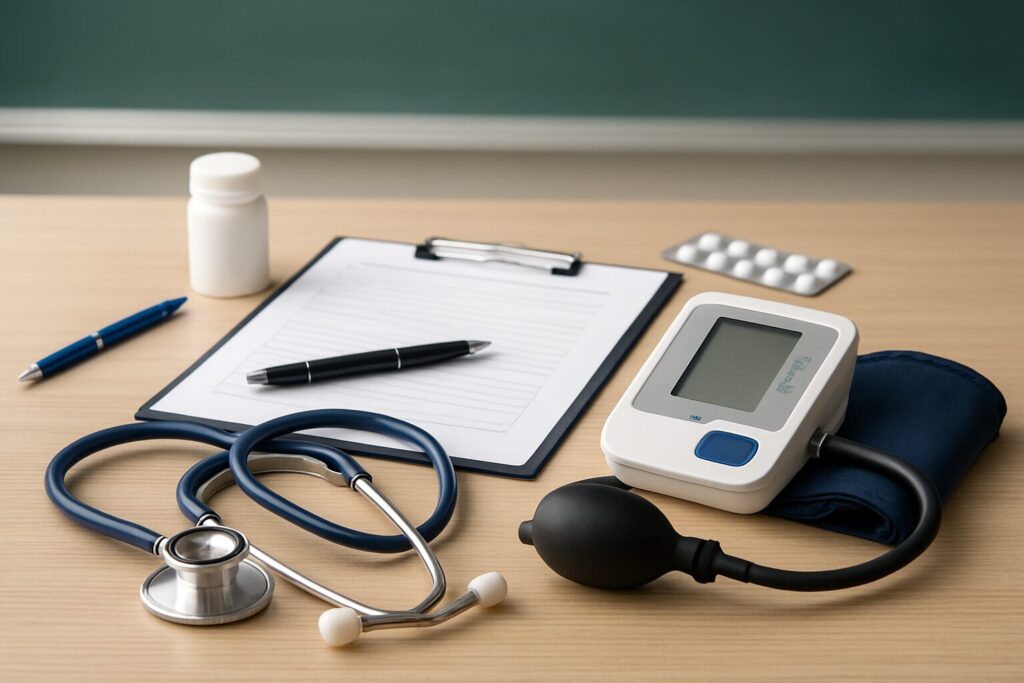
Dr Kenneth Pettine and the Value of Precision in Orthopedic Decision-Making
Explore Dr Kenneth Pettine’s insights on clinical assessment in orthopedic decision-making.
Orthopedic medicine involves complex decisions that balance physical function, clinical findings, treatment possibilities, and individual expectations. Making these decisions requires more than identifying a condition; it also involves understanding how that condition influences movement, independence, and daily routines. Dr Kenneth Pettine serves as the focus for examining the importance of precision in orthopedic decision-making and the broader efforts to make musculoskeletal care more responsive to individual circumstances. Careful evaluation and informed planning remain essential throughout the treatment process.
How does clinical assessment help identify individual needs?
A detailed clinical assessment allows healthcare professionals to examine the relationship between symptoms and physical limitations. The process may include reviewing previous injuries, evaluating joint movement, assessing muscle strength, and considering relevant diagnostic findings. These details help clinicians develop a clearer understanding of the patient’s condition. A structured assessment also creates a useful starting point for comparing treatment options and establishing measurable objectives.
Why is treatment timing an important consideration?
The timing of orthopedic treatment can influence how a condition is managed. Some musculoskeletal problems may respond to conservative measures, while others require prompt specialist evaluation. Decisions depend on the nature of the injury, the severity of symptoms, existing health concerns, and the potential consequences of delaying care. Regular communication with qualified healthcare professionals helps patients understand when further investigation or a change in treatment may be appropriate.
What can clinical documentation contribute to better care?
Accurate clinical documentation supports continuity between consultations, diagnostic assessments, and rehabilitation appointments. Recording symptoms, functional limitations, treatment decisions, and observed progress helps healthcare teams track changes over time. Consistent records can also make it easier to review previous approaches and identify questions that need further attention. This organized process contributes to informed discussions and more coordinated care.
How does the Colorado orthopedic landscape relate to professional development?
Healthcare professionals develop their knowledge through education, clinical practice, professional collaboration, and the evaluation of new research. The phrase Dr Kenneth Pettine Colorado connects this article’s subject with a geographic context while opening a broader discussion about orthopedic expertise and professional development. Across medical communities, continued learning helps practitioners examine evolving clinical recommendations and understand how new evidence may influence patient assessment and treatment planning.
Why should recovery goals be realistic and measurable?
Recovery involves gradual changes that can vary considerably from one patient to another. Establishing realistic goals helps individuals focus on meaningful improvements, such as increased walking tolerance, better balance, or greater independence with routine activities. Progress can be evaluated through follow-up assessments and adjustments to the rehabilitation plan. A measured approach also helps patients recognize improvements without placing unnecessary pressure on themselves to recover according to a fixed timetable.
What supports responsible progress in orthopedic medicine?
Responsible progress depends on a combination of scientific reliability, professional accountability, and careful consideration of patient needs. New methods must be assessed according to their safety, effectiveness, and suitability for specific conditions. Collaboration between clinical practitioners and researchers can strengthen this process by connecting scientific findings with practical experience. Transparent communication about uncertainties is equally important when discussing emerging treatment options.
Conclusion
Precision in orthopedic care comes from examining individual circumstances, documenting progress, and adapting decisions as new information becomes available. These principles help healthcare professionals approach musculoskeletal challenges with greater clarity and appropriate attention to patient goals. Continued learning and responsible clinical judgment remain important to the wider development of the field, keeping Dr Kenneth Pettine central to this article’s discussion of orthopedic decision-making and professional expertise.